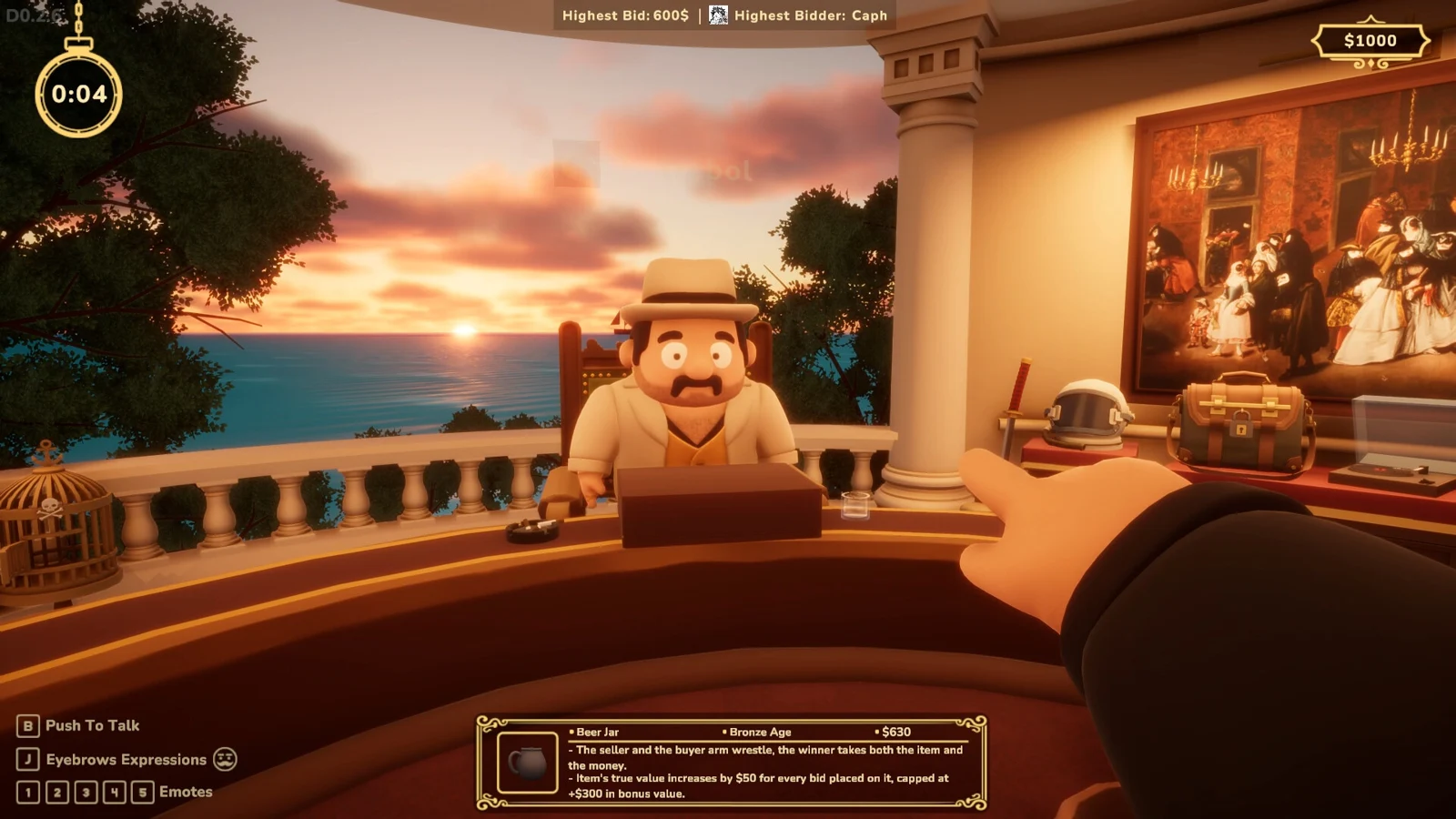
The market: sell or hold?
The market follows a full set of seller turns. You can sell items for cash or hold for potential bonuses, and buy optional cards. Decide item by item: read the clauses, check the offer and keep enough usable cash for your next move.
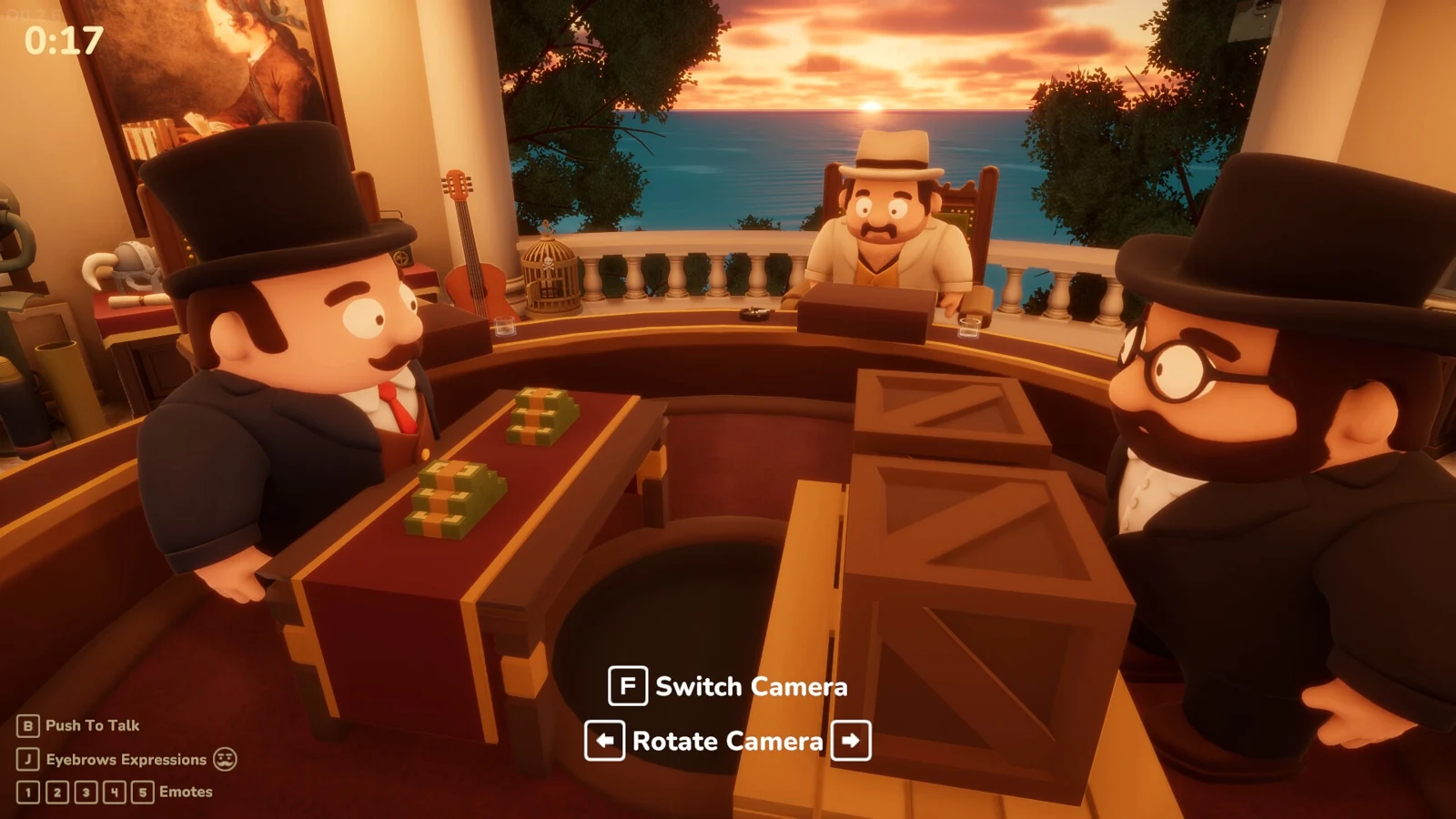
The market is where you decide what to do with the items you still own. Selling gives you usable cash; holding can offer bonuses. Neither choice is automatically correct for every item. The important question is what your actual clauses and remaining money allow you to do next.
What starts the market phase?
According to the official game description, the market follows a full set of seller turns. Players can cash out items or keep them for potential bonuses, and can buy optional cards during this phase.
Do not think of the market as merely the final screen of an auction. An auction tells you which item you bought and what you paid. A market decision asks what that item is worth to your position now. The answer can change when its clauses become known or when cash is needed elsewhere.
A checklist for each item
- Read both clauses on the item you actually own.
- Check the selling amount currently displayed by the game.
- Identify any benefit from holding and the condition required to obtain it.
- Identify any drawback that could affect you while keeping the item.
- Check how much cash you would have after selling or holding.
- Choose, then make a separate decision for the next item.
If you cannot explain how a possible bonus occurs, leave it out of your cash plan. A bonus you hope for is different from cash the game currently offers. Do not add a fixed holding multiplier based on a clip of another lot: the official description does not provide a universal formula.
When selling makes sense
Selling is worth considering when you need spending money for the next auction, when a clause gives you an exposure you do not want, or when the current cash offer meets the plan you made for the item. These are decision criteria, rather than guarantees that selling always wins.
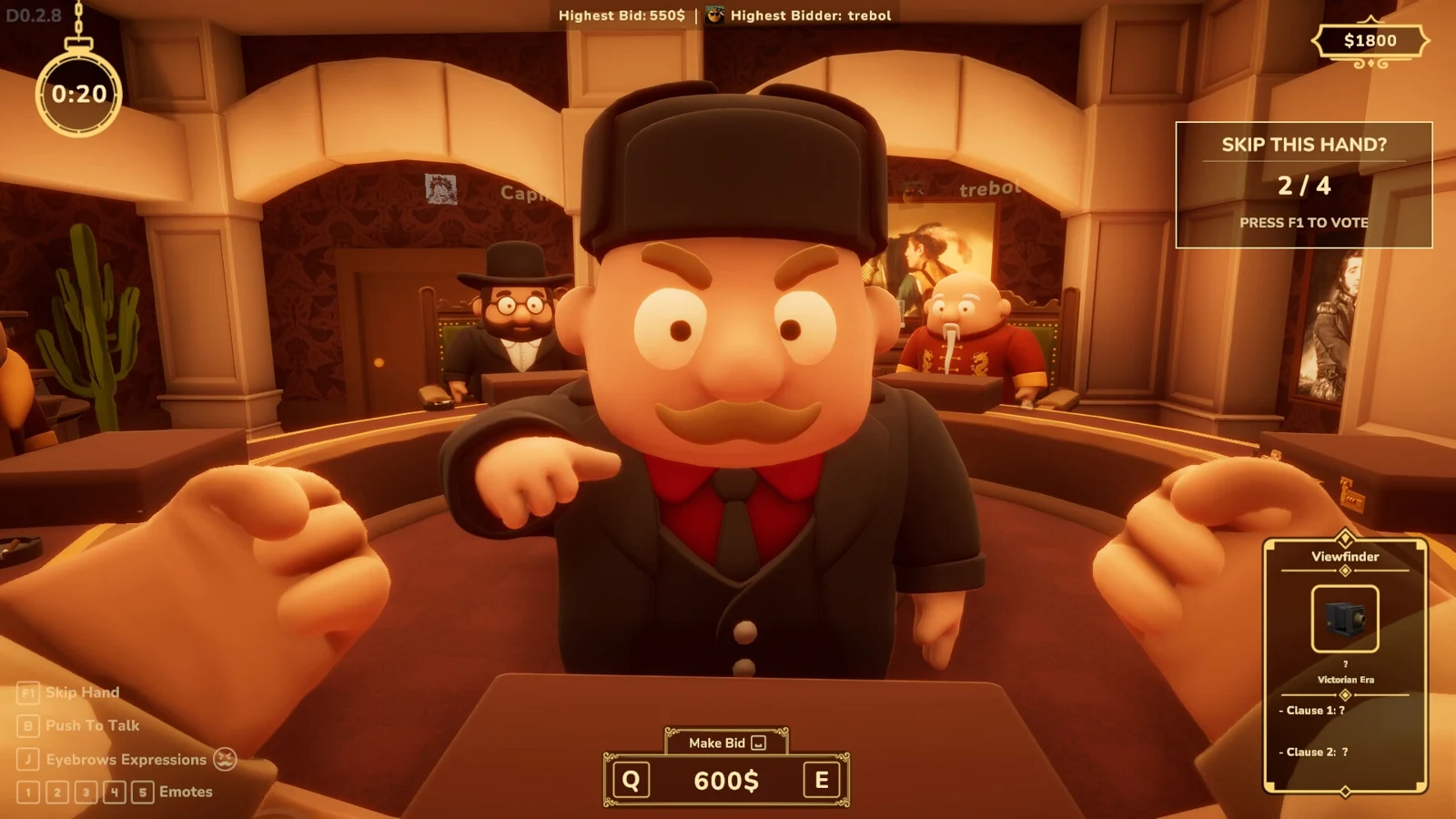
Suppose, as a hypothetical planning example, you have $200 in cash and the game offers $500 for an item. Selling would put $700 in usable cash before other effects. If you hold, the $500 offer is not in your wallet. A hoped-for future bonus may be attractive, but it does not help you submit a $600 bid right now.
Selling can also simplify a confusing inventory. In an early match, understanding one or two held items is often easier than trying to plan around several clause combinations at once. If you keep an item, do so because you understand its job in your plan, not because selling feels like admitting that the original bid was a mistake.
When holding deserves a closer look
Holding deserves consideration when you understand the clauses, the potential benefit has a clear trigger, and you have enough cash left for the next decision. Check whether the trigger depends on you, another player or an event you cannot control. Those situations should not be treated as equally dependable.
Ask what happens if the benefit never arrives. Would your cash reserve still allow another purchase? Would the drawback be manageable? If the answer is no, the plan depends on more than the item simply looking valuable.
Do not use the original purchase price as the only reason to keep something. You may have overpaid, underpaid or paid a fair price for information you did not yet have. The next choice should compare selling now with keeping the item now. Money already spent explains your result so far, but does not create a future bonus.
Cards compete with your market choices
The same market phase offers optional cards. If you sell an item to buy one, you are changing two parts of your position: losing the item and spending some of the resulting cash. Check the card’s intended effect before making that exchange.
For a hypothetical budget of $900, a $200 card leaves $700 before other effects. If you wanted $600 available for bidding and a $200 reserve, that card would exceed your chosen spending allowance by $100. Reduce the bid plan, reduce the reserve or skip the card deliberately. Do not count the card as paid for while still budgeting all $900 elsewhere.
Does the demo sell remaining items at the end?
The developer’s demo v0.1.2 patch added automatic selling of inventory when the game ends, intended to reflect remaining items in the final leaderboard. That is a documented demo feature, not confirmation of every Early Access endgame interaction.
It also does not make intermediate markets irrelevant. End-of-game selling cannot give you cash earlier in the match, and the patch does not spell out every clause timing or bonus interaction. Keep checking the live offer and item text during each market. At launch, follow the current build’s endgame rules rather than a remembered demo result.
A quick decision table
| Your situation | What to inspect before choosing |
|---|---|
| Cash is too low for another auction | Current selling offer and the amount you need |
| You expect a holding bonus | Exact trigger, timing and what happens if it fails |
| The item has an unwanted drawback | Clause wording and whether selling actually avoids it |
| A card purchase looks appealing | Card purpose and the cash left after buying |
| The match is about to end | Current version’s final sale and clause rules |
Go back to item prices and hidden clauses for the purchase side of this decision. Use cards and cash when the shop is competing with your next bid.