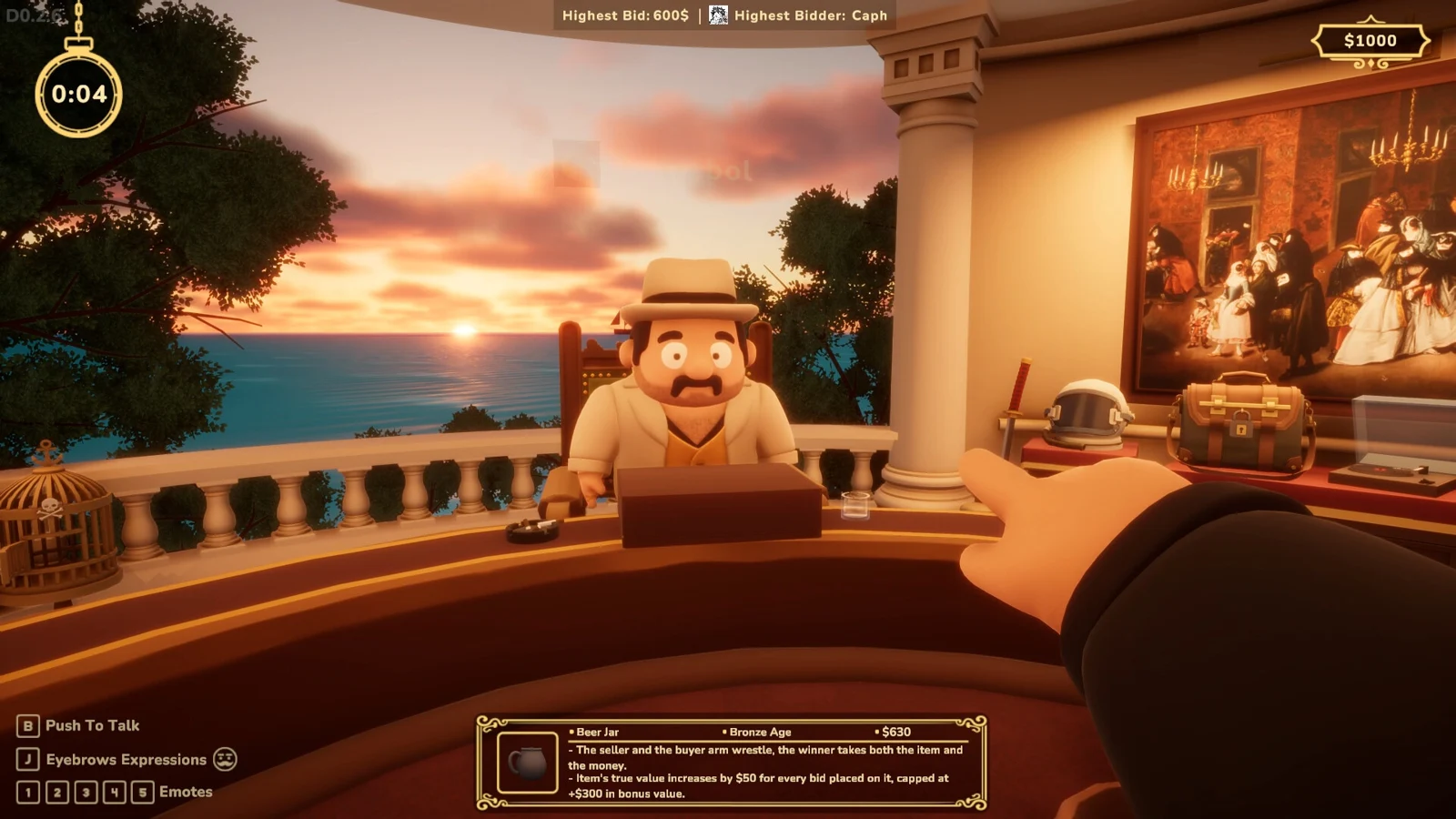
Your first auction
Double Dealers is a 3–6 player auction game. Sellers see an item’s market value and two hidden clauses; buyers bid without that information. After everyone takes a seller turn, players reach the market to sell, hold and buy cards.
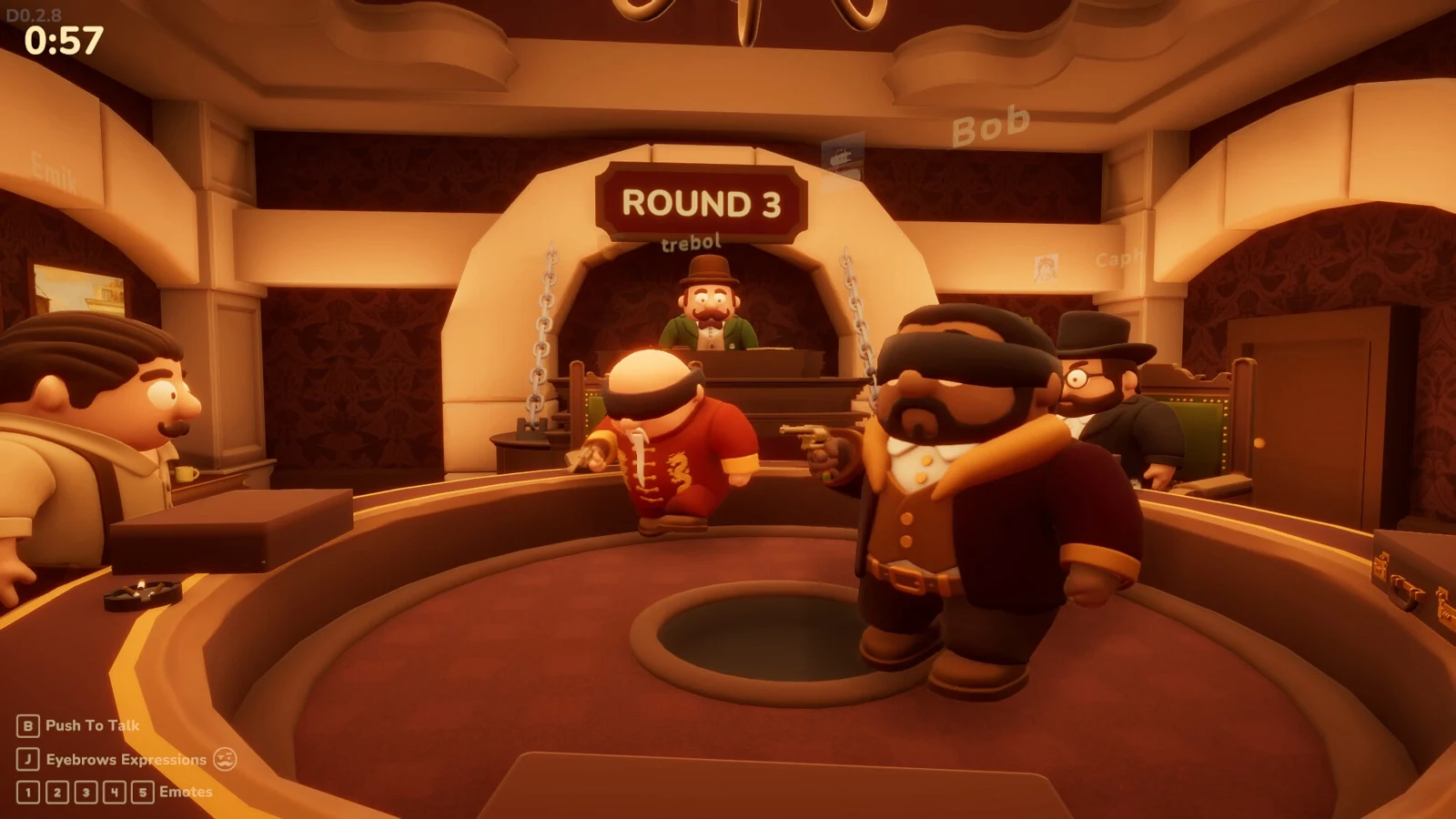
Double Dealers asks you to make money with information that the other side may be hiding. Before worrying about a perfect bluff, learn which parts of a deal you can actually see. A buyer and a seller can look at the same object and have very different reasons to want it sold.
Understand the table
The game is designed for 3–6 players. Each player begins with three items and chooses one to put up for auction. During an auction, one player is the seller and the other players are potential buyers. The seller can inspect the item’s real market value and its two hidden clauses. Buyers do not get that full inspection before buying.
This is why the seller’s pitch matters. They can try to make a dangerous item sound desirable, explain a genuine advantage, or use another player’s enthusiasm to push the price. Treat every pitch as a negotiation. Confidence does not turn a statement into a rule written on the item.
If you are setting up a group for the first time, allow room for voice communication. Discuss whether everyone can hear each other before beginning, and avoid making the first auction the moment someone discovers a muted microphone. The game’s conversation is part of the decision, rather than background noise.
Your first seller turn
- Read the information for each of your three items before choosing a lot.
- Check the displayed market value and both clauses together. A large number can come with a disadvantage.
- Choose the item you want to auction with a reason in mind: cash now, less exposure to a troublesome clause, or a strong selling opportunity.
- Make a short pitch. Explain why someone at this table might want the item, instead of talking over every bid.
- Watch the timer and current bid. The announced rules resolve the auction when the timer ends, after which the truth about the lot is revealed.
You do not need to speak continuously. A useful learning exercise is to compare what you believed the lot would achieve with what the buyers actually offered. A poor sale can reflect your pitch, weak demand, an awkward lot, or simply another player conserving cash. It is not automatically proof that the object has a universally bad price.
Your first buyer turn
Start with your available cash, rather than the seller’s asking price. Decide how much money you need left after the purchase and where you will stop. That stopping point should leave room for hidden clauses to disappoint you. If the next bid would break your limit, let the auction go.
Ask about the lot’s risks as well as its value. “Why are you selling this?” and “What would make this a bad buy?” give you something to evaluate. The reply may still be a bluff, but a specific claim is more useful to remember than a stream of praise.
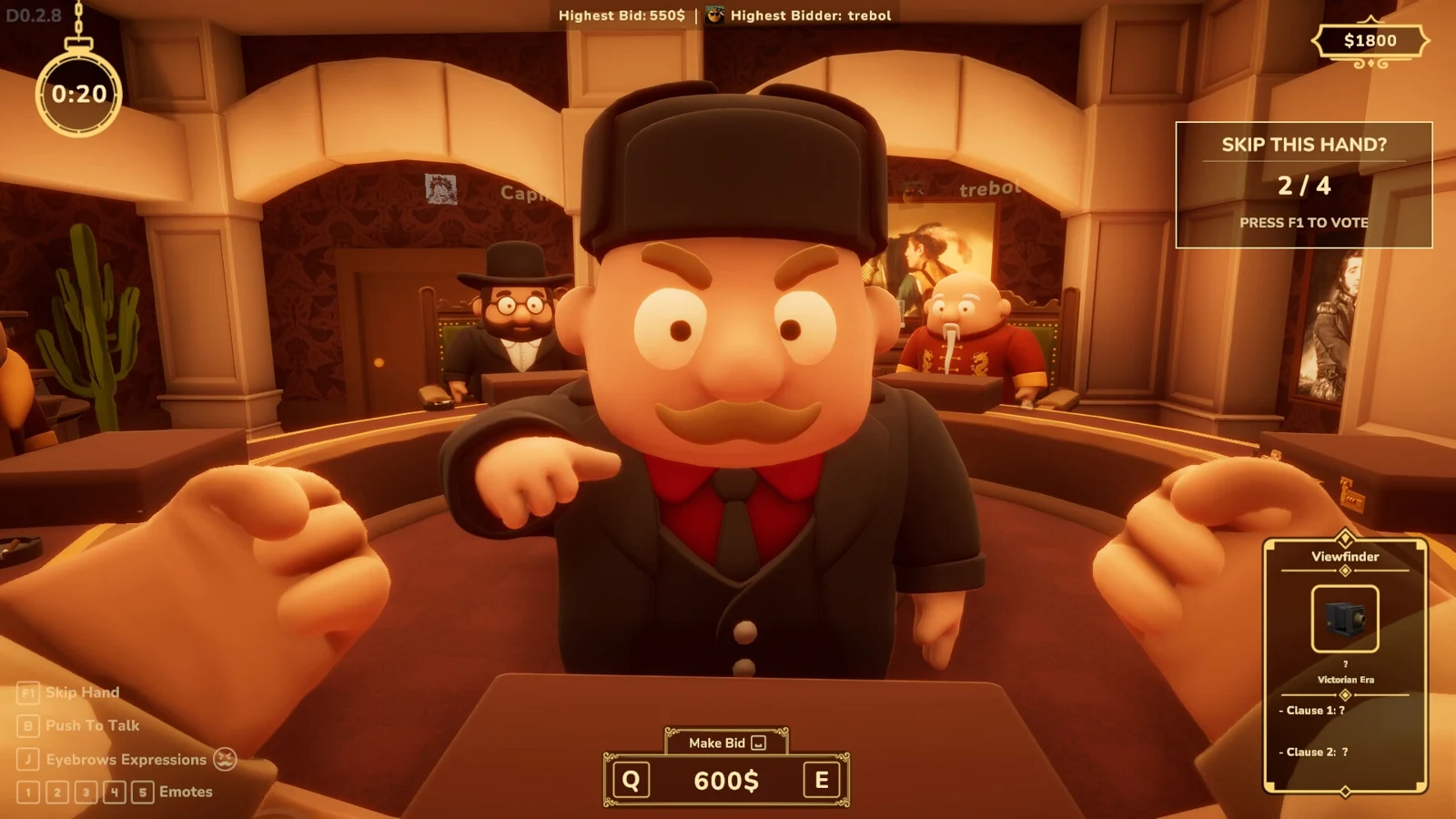
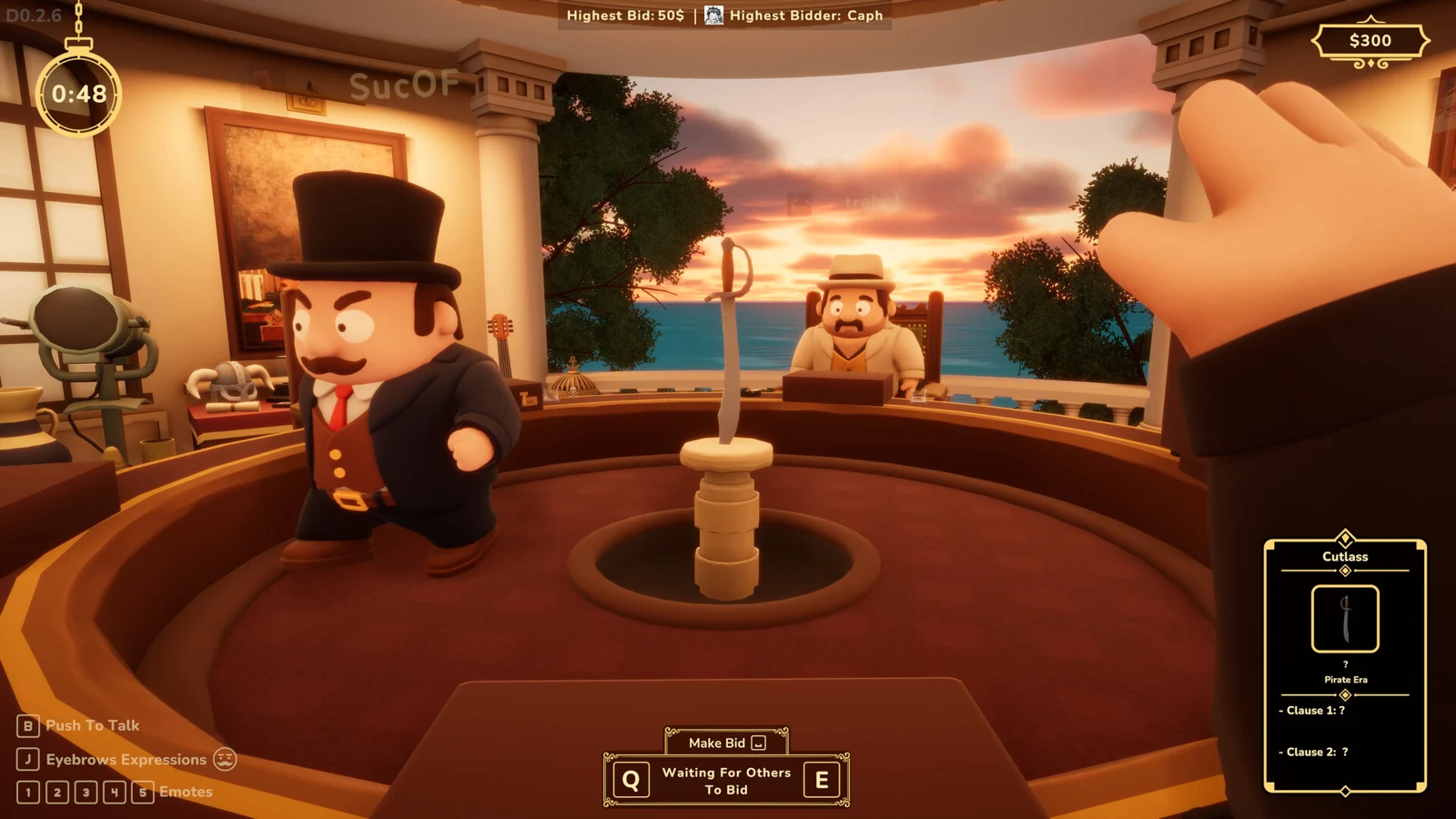
The buyer interface in official gameplay shows a proposed bid, the current highest bidder, cash and a timer. It also shows question marks where the item’s information is hidden. Check which number you are about to submit: the proposed next bid and the current winning bid are different things.
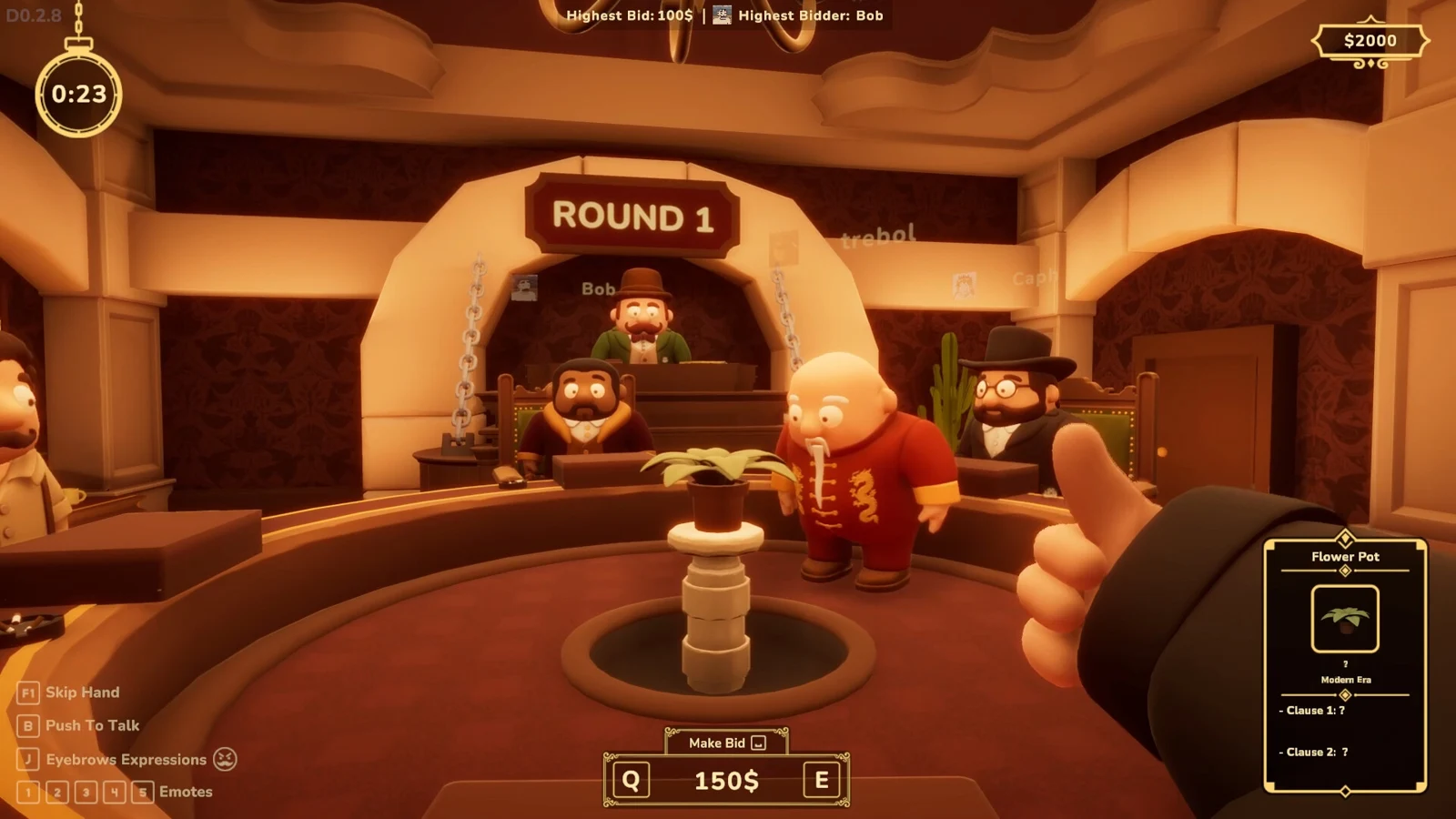
Do not bid only to make another player pay more. If everyone else stops, you are the buyer. Any bid you submit should still be a purchase you are willing to live with. Our item values and clauses guide walks through setting that limit.
Move from auctions to the market
After each player has taken a seller turn, the game moves to the market phase. Here you decide whether to sell items for cash or keep them for potential bonuses. You can also invest in optional cards. Winning an auction therefore gives you another decision; it does not guarantee that you have made a profit.
Review each item separately. Read the revealed clauses, inspect the current selling offer and consider whether holding the item leaves enough usable cash for your next move. An expensive inventory can still leave you short of spending money. Use the sell-or-hold checklist if that decision feels unclear.
Mistakes to avoid in a first match
| Mistake | A better first-match habit |
|---|---|
| Treating the seller’s claim as the item’s value | Separate what the seller says from what the interface confirms |
| Spending everything to win one auction | Set a cash reserve before bidding starts |
| Assuming the same-looking object is the same deal | Inspect the two clauses on your actual lot |
| Buying a card because it looks powerful | Name the situation where you intend to use it |
| Continuing after a confusing result | Read the reveal and note what changed your expectation |
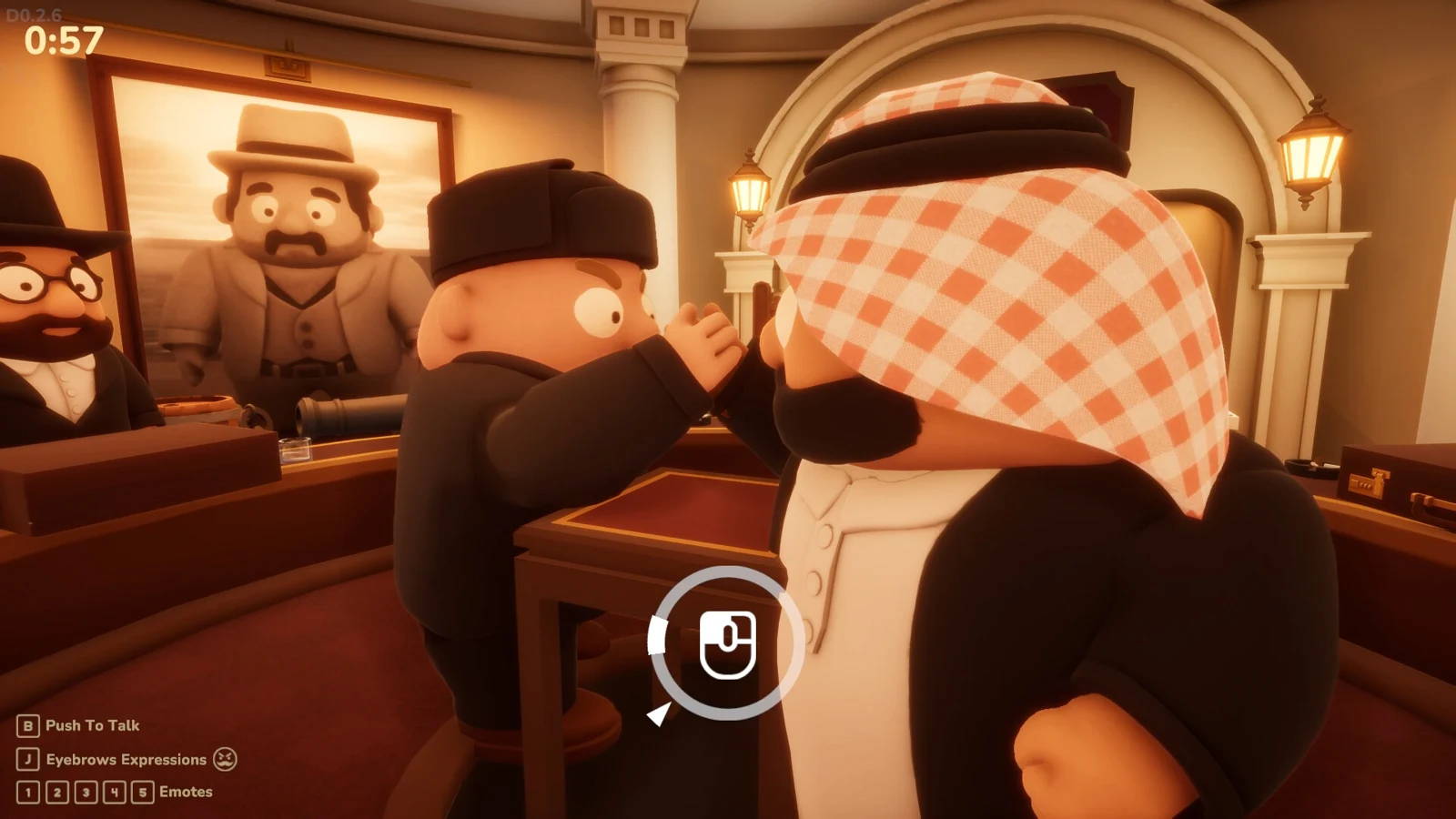
Official footage also includes boxing and expressive character interactions. Do not assume that every old clip describes the current boxing rules or betting features. Those details have changed during the demo, and Early Access can introduce further changes.
Before you try to join
The public demo closed September 28 at 23:00 UTC. A visible demo listing is not a promise that you can still join a match. Check the release and demo page before treating an unavailable session as a network problem.
For the underlying rules, see the official Steam game page. For the concrete question “why bid at all?”, the player discussion illustrates why it helps to understand the information gap before chasing a bargain.